

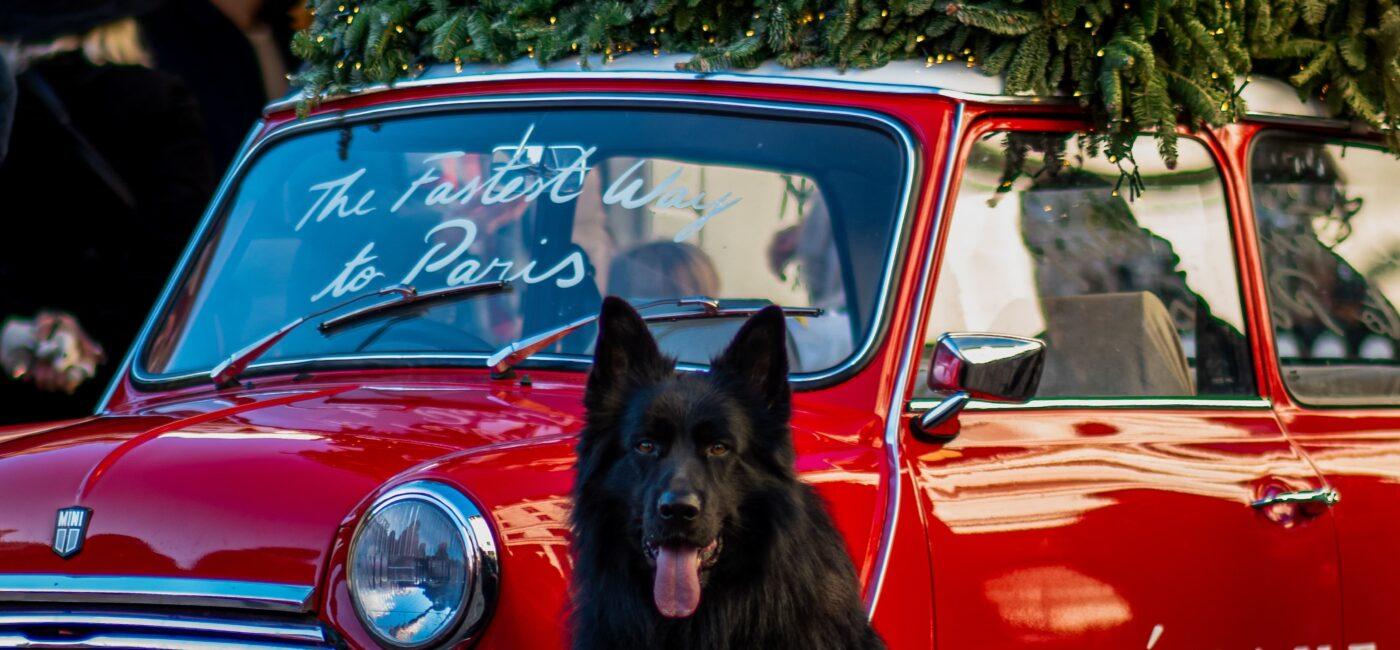
Christmas does not begin for a dog on 25 December.

In many homes, the environment starts changing through November: fireworks, later evenings out, more deliveries, unfamiliar people at the door and a routine that becomes less predictable.

That build-up is easy to miss because each event on its own may look manageable. I am more interested in what the dog looks like afterwards. Are they sleeping as usual? Can they settle after the doorbell? Are they more watchful on the next walk? Has an ordinary evening sound started getting a bigger response?

Fireworks are a good example. The RSPCA reports that 60% of dog owners responding to its 2025 Savanta poll said their dog had been negatively affected by fireworks. The night itself is only part of the picture. A dog can remain more alert afterwards, leaving less room to cope comfortably with the next busy walk, visitor or unexpected noise.

Then December brings another change in pace.

Dogs Trust recommends keeping routines consistent where possible and giving dogs somewhere they can retreat without being disturbed when visitors are around. I like owners to set that space up before the house gets busy. The dog should already know where it is, and family members need to understand that going there means they are left alone.

One question can tell you a lot in the run-up to Christmas: how well is my dog recovering between events?

A dog who goes to a family lunch, comes home exhausted, sleeps poorly and spends the following day scanning on walks may need a different week from a dog who settles straight back into their normal pattern.

You can still include your dog in family life while protecting enough routine, rest and space for them to recover.

If your dog seems permanently alert, struggles to switch off or finds busy household periods hard, the free Overstimulated Dog Guide will help you look at the patterns around them and decide where to begin.
Download the Overstimulated Dog Guide